Magento Business Central Integration

connect-magento-with-microsoft-dynamics-365
Business Central Magento

How to Connect Magento with Microsoft Dynamics 365 Business Central

Summary

How to Connect Magento with Microsoft Dynamics 365 Business Central Connecting Magento with Microsoft Dynamics 365 Business Central means linking your online store with your ERP system so data flows automatically between both platforms.

Learn how to connect Magento with Microsoft Dynamics 365 Business Central with a step-by-step guide, benefits, methods, and best practices for smooth integration. Managing an online store and backend operations separately often leads to delays, data mismatches, and extra effort. That’s where integration becomes essential. When Magento is connected with Business Central, everything becomes more aligned, from sales to accounting.

Lets discuss guide explains how the connection works, the different methods you can use, and a clear step-by-step process to help you set it up correctly in this article “How to Connect Magento with Microsoft Dynamics 365 Business Central. Whether you’re a small business or scaling fast, this will help you build a reliable system that actually supports growth.

What Does Magento and Business Central Integration Mean?

Magento is an eCommerce platform used to manage products, orders, and customers online. Business Central is an ERP system that handles finance, inventory, and operations. Integration connects these two systems so they share data automatically.

Instead of updating both platforms separately, integration ensures that actions in one system reflect in the other. For example, when a customer places an order in Magento, it appears in Business Central without manual entry.

Connect Magento with Microsoft Dynamics 365 creates a single source of truth, helping teams work more efficiently and avoid confusion.

Why You Should Connect Magento with Business Central
 why-you-should-connect-magento-with-business-central

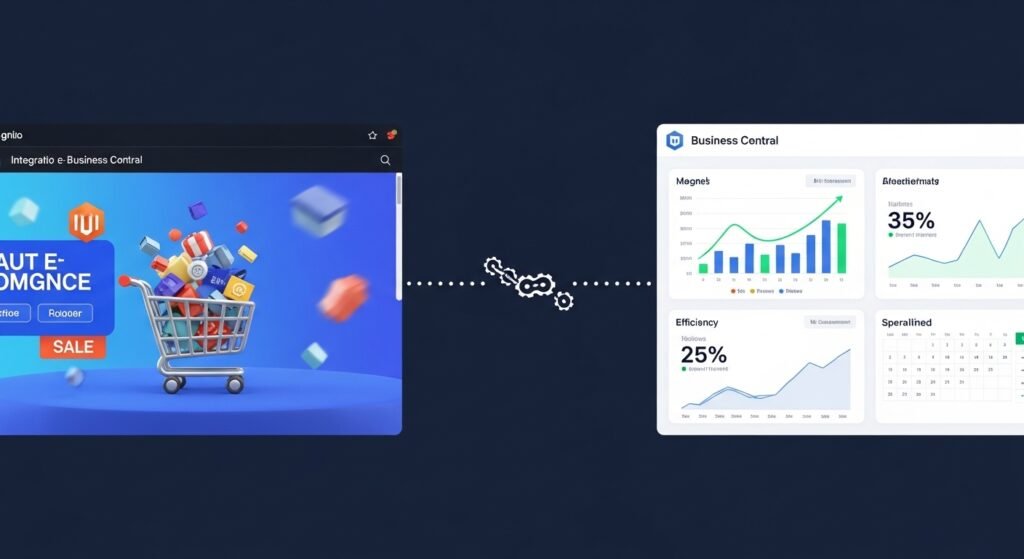
Running an online business without integration often leads to repetitive tasks and data errors. When systems are Connect Magento with Microsoft Dynamics 365, the workflow becomes smoother and easier to manage.

Before looking at the technical steps, it’s important to understand what you gain from this setup:

  • Orders sync automatically from Magento to Business Central
  • Inventory updates stay consistent across both systems
  • Customer data is centralized and easy to manage
  • Financial records remain accurate without manual input
  • Time spent on repetitive tasks is reduced

These benefits make a real difference, especially when order volume increases.

Key Data You Can Sync Between Magento and Business Central
key-data-you-can-sync-between-magento-and-business-central

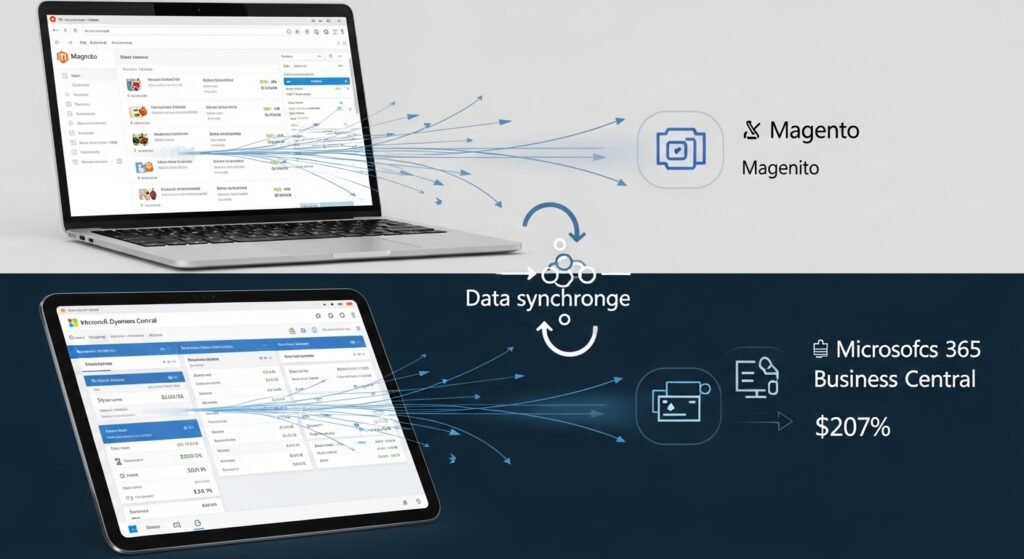
When you, Connect Magento with Microsoft Dynamics 365 several types of data can move between them. This ensures your business runs on updated and consistent information at all times.

Here’s what typically gets synced:

  • Products and item details
  • Inventory levels
  • Customer information
  • Sales orders and invoices
  • Shipping and tracking details

This data flow keeps your operations aligned without needing constant manual updates.

Methods to Connect Magento with Business Central

There isn’t just one way to Connect Magento with Microsoft Dynamics 365. The method you choose depends on your business needs, budget, and technical setup.

1. Using a Ready-Made Connector

This is the easiest and fastest method. Pre-built connectors are designed to link Magento with Business Central without heavy development work.

They usually offer:

  • Quick setup
  • Standard data syncing features
  • User-friendly interface
  • Lower upfront cost

This option works well for most businesses that want a reliable and simple solution.

2. Custom API Integration

If your business has specific requirements, custom integration using APIs might be the better option. Magento and Business Central both support APIs, allowing developers to build a tailored connection. This method gives you more control but requires technical expertise and time.

3. Middleware Integration

Middleware acts as a bridge between Magento and Business Central. It helps manage data flow, especially when dealing with complex processes or multiple systems.

This option is useful for businesses with advanced workflows or multiple platforms connected together.

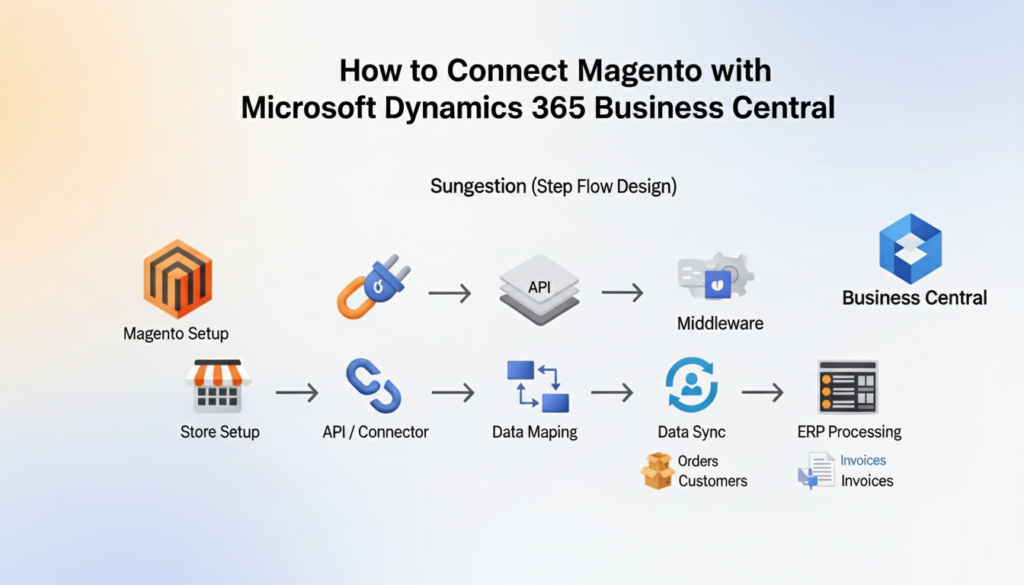
Step-by-Step Guide to Connect Magento with Business Central

Setting up the integration may seem technical, but when broken down into steps, it becomes much easier to handle. Below is a clear and practical process you can follow.

Step 1: Prepare Your Magento Store

Before starting the connection, make sure your Magento store is ready. Data should be clean, organized, and properly structured.

Take a few minutes to review the basics:

  • Ensure products and categories are correctly set
  • Remove duplicate or outdated data
  • Enable API access in Magento
  • Check user roles and permissions

This step avoids issues later during the integration process.

Step 2: Set Up Business Central

Now move to your ERP system and prepare it for integration. Business Central should be configured to handle incoming data from Magento.

Focus on the following setup:

  • Configure inventory and item lists
  • Set up customer and vendor records
  • Review financial settings
  • Enable web services or APIs

A properly configured system ensures smooth data flow once connected.

Step 3: Choose the Right Integration Method

At this stage, decide how you want to connect both systems. Your choice depends on your technical skills and business complexity.

To make it easier:

  • Choose a connector if you want a simple and quick setup
  • Go for API integration if you need custom workflows
  • Use middleware if you manage multiple systems

Picking the right method saves time and avoids unnecessary complications.

Step 4: Map Data Between Systems

Data mapping is a critical step. It tells the system how information from Magento matches with fields in Business Central.

Spend time aligning the following:

  • Product fields (SKU, name, price)
  • Customer details (name, email, address)
  • Order structure and status
  • Tax and shipping rules

Accurate mapping prevents data mismatches and errors later.

Step 5: Test the Integration

Before going live, always test the connection. This helps identify issues early and ensures everything works as expected.

During testing:

  • Place test orders in Magento
  • Check if they appear correctly in Business Central
  • Verify inventory updates
  • Review customer data syncing

Testing builds confidence that your system is ready.

Step 6: Go Live and Monitor

Once testing is complete, you can go live. But the work doesn’t stop here. Monitoring is important to ensure everything continues running smoothly.

Keep an eye on:

  • Sync errors or delays
  • Order processing accuracy
  • Inventory consistency
  • System performance

Regular checks help maintain a stable integration.

Common Challenges and How to Avoid Them

Even with a clear setup process, some challenges can appear. Knowing them in advance helps you avoid delays and frustration.

Here are a few common issues and simple ways to handle them:

  • Data mismatch due to incorrect mapping
  • API connection errors
  • Duplicate records in systems
  • Delays in syncing large data

Most of these problems can be avoided with proper planning, testing, and regular monitoring.

Best Practices for a Smooth Integration

A successful integration is not just about connecting systems it’s about maintaining accuracy and reliability over time.

Before wrapping up, here are some practical tips that make a real difference:

  • Keep your data clean and updated
  • Use automation wherever possible
  • Schedule regular system checks
  • Limit manual data entry
  • Work with experienced integration partners

Following these practices helps you get long-term value from your setup.

Make Your Magento and Business Central Work Better Together

To Connect Magento with Microsoft Dynamics 365 the real value comes from how well they support your daily operations. At Business Central Magento, we help businesses bring their eCommerce and ERP systems together in a way that actually makes work easier.

Our team connects Magento with Business Central and other platforms like Shopify and WooCommerce, making sure your products, orders, inventory, and customers stay in sync. We focus on reducing manual effort, avoiding errors, and helping you manage everything from one place. If you want a setup that works reliably and grows with your business, we’re here to help.

Conclusion

To Connect Magento with Microsoft Dynamics 365 Business Central is a practical step for any business looking to simplify operations and reduce manual work. It helps keep your data accurate, improves order handling, and gives you better control over inventory and finances. While the setup may take some planning, the long-term benefits make it worth the effort. If you want a reliable and efficient system, working with an experienced partner like Business Central Magento can make the process much smoother and help you get the most out of your integration. Need help connecting your store and ERP system the right way then contact us? Get clear guidance to set up a smooth and reliable integration Book a Meeting.

FAQ’s

How long does it take to connect Magento with Business Central?

It depends on the method you choose. A connector can take a few days, while custom integration may take a few weeks depending on complexity.

Do I need technical skills to set up the integration?

Not always. Using a ready-made connector usually requires minimal technical knowledge, but custom setups may need a developer.

Can I sync inventory in real time?

Yes, most integrations support real-time or near real-time inventory updates to keep stock levels accurate.

What happens if the sync fails?

Most systems log errors and allow retries. Regular monitoring helps you catch and fix issues quickly.

Is Magento Business Central integration secure?

Yes, when done properly using APIs and secure connections, your data remains protected.

Can I connect multiple Magento stores?

Yes, Business Central can handle multiple stores if the integration is configured correctly. 

How to Connect Magento with Microsoft Dynamics 365 Business Central Read Post »
dynamics-365-business-central-magento-integration
Business Central Magento

Dynamics 365 Business Central Magento Integration Guide

Summary

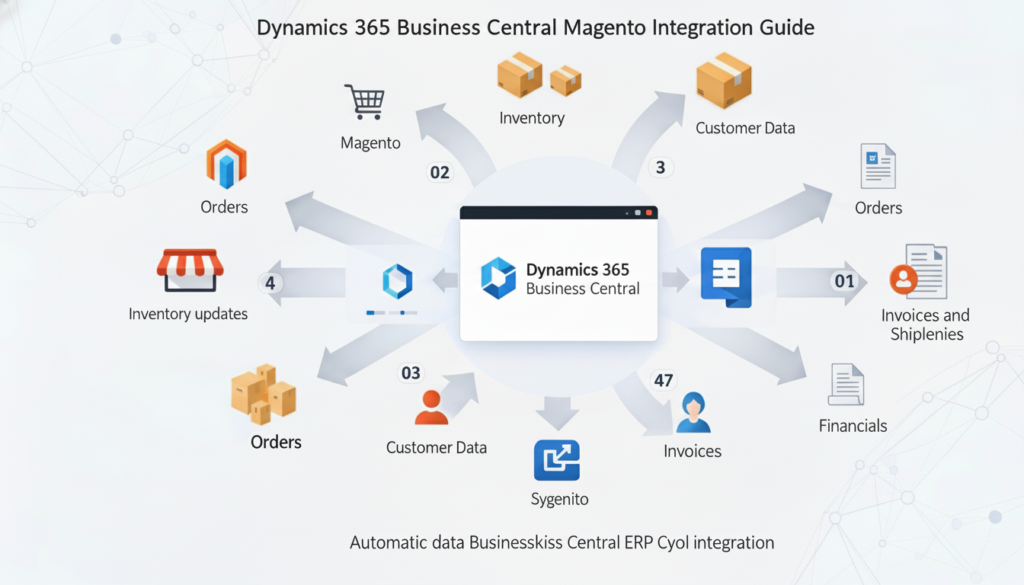
Dynamics 365 Business Central Magento Integration Guide Integrating Magento with Dynamics 365 Business Central allows businesses to manage orders, inventory, and customer data from a single system. This integration reduces manual errors, speeds up processing, and ensures real-time accuracy.

Learn Dynamics 365 Business Central Magento Integration for seamless inventory, orders, and customer management. Step-by-step guide for efficient ERP eCommerce sync. For businesses running Magento stores, manually managing inventory, orders, and customer data can quickly become overwhelming.

Integrating Magento with Dynamics 365 Business Central centralizes all operations, eliminating errors, duplications, and delays. In this article we will explain how the integration works, its benefits, and the practical steps to implement it. By connecting your ERP and eCommerce platform, you ensure smoother workflows, accurate reporting, and faster decision-making.

What is Dynamics 365 Business Central Magento Integration?

what-is-dynamics-365-business-central-magento-integration

Dynamics 365 Business Central Magento Integration is a process that links your Magento eCommerce store with Microsoft’s ERP system. It allows automatic syncing of products, inventory, orders, shipments, and customer details between the two platforms. Without integration, each update requires manual entry, which is prone to mistakes and delays.

  • Sync products and inventory in real-time
  • Automate order processing from Magento to Business Central
  • Maintain consistent pricing and customer records
  • Generate accurate invoices without manual input

This integration acts as a bridge between your online store and ERP, ensuring that both systems reflect the same data at all times.

Key Benefits of Integrating Magento with Business Central

Connecting Magento to Business Central streamlines operations and offers measurable advantages:

  • Real-Time Data Updates: Inventory and order changes instantly reflect in both systems, reducing stockouts or overselling.
  • Reduced Manual Work: Automated syncing decreases repetitive data entry, allowing staff to focus on strategic tasks.
  • Improved Customer Experience: Orders are processed faster and shipping errors are minimized.
  • Accurate Financials: Invoices and payments are correctly captured in Business Central, improving accounting accuracy.
  • Scalability: Businesses can grow without adding administrative overhead.

These benefits make integration a must for any growing Magento store looking to manage operations efficiently.

How Magento Business Central Integration Works

The Dynamics 365 Business Central Magento Integration generally involves three main components:

  • Connector Setup: A connector or plugin is installed that facilitates communication between Magento and Business Central.
  • Data Mapping: Products, inventory, customers, orders, and invoices are mapped so that each field in Magento corresponds to a field in Business Central.
  • Automation Rules: Rules for syncing data (real-time or scheduled batch) are defined to control how and when updates occur.

For example, when a customer places an order on Magento, the Dynamics 365 Business Central Magento Integration automatically creates a corresponding sales order in Business Central, updates inventory, and triggers invoice generation if configured.

Step-by-Step Guide to Connect Magento to Business Central

Dynamics 365 Business Central Magento Integration othe two platforms involves careful planning and technical setup. Here’s a practical approach:

Step 1. Assess Your Current Systems

Before integration, evaluate your Magento store structure and Business Central setup. Identify:

  • Products and SKUs
  • Inventory workflows
  • Customer data format
  • Order processing rules

This assessment ensures smooth data mapping and avoids conflicts during sync.

Step 2. Choose the Right Connector

Select a connector compatible with your Magento version and Business Central. Popular options include:

  • Third-party Magento ERP connectors
  • Custom API-based integration
  • Middleware platforms that bridge both systems

Each option varies in cost, setup complexity, and flexibility.

Step 3. Configure Integration Settings

Once a connector is selected:

  • Map product categories, SKUs, and pricing
  • Define inventory sync rules (real-time or batch)
  • Set order and invoice handling preferences
  • Connect customer accounts between both systems

This step ensures that every transaction in Magento reflects accurately in Business Central.

Step 4. Test the Integration

Before going live:

  • Run test orders
  • Sync sample products and customers
  • Check if invoices and stock levels update correctly
  • Validate error handling

Testing prevents errors that could disrupt operations or confuse customers.

Step 5. Monitor and Optimize

After launching integration:

  • Regularly monitor data sync logs
  • Adjust sync frequency based on order volume
  • Update mapping as new products or features are added
  • Train staff on how to manage exceptions

Continuous optimization ensures long-term efficiency and accuracy.

Real-Time vs Batch Sync in Magento Business Central

Integration can operate in two modes:

Sync Type How It Works Best For Pros Cons
Real-Time Updates occur immediately when changes happen High-volume stores, time-sensitive inventory Instant accuracy, fewer errors Higher server load, complex setup
Batch Updates occur at scheduled intervals Medium/low volume stores Easier to manage, lower server impact Slight delays, potential overselling

Choosing the right sync mode depends on order volume, operational needs, and technical resources.

Common Integration Challenges and Solutions

While Dynamics 365 Business Central Magento Integration improves efficiency, some challenges may arise:

  • Data Mismatch: Differences in product SKUs or customer details can cause errors. Solution: Perform thorough data cleansing before mapping.
  • Performance Issues: Large stores may experience slow syncs. Solution: Optimize sync frequency and batch size.
  • Order Duplication: Incorrect mapping can create duplicate orders. Solution: Test extensively and monitor logs.
  • Complex Customizations: Highly customized Magento stores may need tailored integration logic. Solution: Use API-based connectors or developer support.

Proper planning and expert support can minimize these challenges.

Why Businesses Choose Business Central Magento Integration

Businesses prioritize this integration to achieve:

  • End-to-end operational visibility
  • Accurate inventory management
  • Streamlined order processing
  • Simplified reporting and accounting
  • Scalability without hiring extra staff

By connecting these two systems, companies gain control over every aspect of their eCommerce operations and ERP processes.

How Business Central Magento Integration Improves Inventory Management

Inventory discrepancies can harm sales and customer trust. Integration helps by:

  • Automatically reducing stock when an order is placed
  • Updating stock levels across multiple warehouses or sales channels
  • Alerting managers when inventory reaches reorder thresholds
  • Generating accurate inventory reports in Business Central

This ensures stock accuracy and helps businesses plan purchases more efficiently.

Streamlined Order Processing with Integration

Orders flow smoothly from Magento to Business Central, eliminating manual entry. Integration allows:

  • Immediate creation of sales orders in ERP
  • Automatic invoice generation
  • Shipment tracking synced with Magento
  • Reduced delays and fewer errors in delivery

This saves time, prevents customer complaints, and enhances operational efficiency.

Recommended Solution: Business Central Magento Experts

For businesses seeking reliable, efficient integration, partnering with a dedicated team simplifies the process. At Business Central Magento, we provide:

  • Full Magento-Business Central integration setup
  • Custom workflows for unique business requirements
  • Ongoing support and monitoring
  • Real-time sync for inventory, orders, customers, and invoices

Our focus is to make your eCommerce and ERP systems work together seamlessly, so you can manage operations without worrying about errors or delays.

Dynamics 365 Business Central Magento Integration Guide

Connect Magento with Dynamics 365 Business Central smoothly to keep orders, inventory, and customer data accurate without extra manual work.

Book a Meeting 

Conclusion

Integrating Magento with Dynamics 365 Business Central simplifies eCommerce operations, ensures data accuracy, and supports business growth. From real-time inventory updates to automated order processing, this connection saves time, reduces errors, and improves customer satisfaction. Businesses looking to scale without adding administrative overhead will benefit greatly from a professional integration setup. Contact US for Partnering with Business Central Magento which ensures seamless synchronization, expert guidance, and reliable support for a smooth, efficient, and fully connected eCommerce and ERP experience.

FAQ’s

Can Magento and Business Central integrate in real-time?
Yes, real-time integration is possible using API-based connectors, ensuring instant updates for orders, inventory, and customer data.
Do I need developer support for integration?
While some connectors are plug-and-play, businesses with custom workflows may require developer assistance for proper mapping and automation.
What data can sync between Magento and Business Central?
Products, SKUs, pricing, inventory, orders, customers, invoices, and shipment details can all sync automatically.
Is Dynamics 365 Business Central Magento Integration suitable for small businesses?
Yes, even small stores benefit from reduced manual entry, accurate stock, and faster order processing.
How often should data sync occur?
It depends on volume high-volume stores benefit from real-time sync, while smaller stores may prefer scheduled batch updates.
Can integration handle multiple Magento stores?
Yes, multi-store setups can be integrated, keeping inventory and orders synchronized across all channels. 

Dynamics 365 Business Central Magento Integration Guide Read Post »

Scroll to Top