
Magento vs WooCommerce becomes a critical comparison as eCommerce businesses grow and managing operations across disconnected systems becomes increasingly difficult. Orders, inventory, customers, pricing, and accounting data often sit in different tools, creating delays, errors, and manual work. Many companies use Microsoft Dynamics 365 Business Central as a cloud ERP to manage finance, inventory, warehouse management, and the general ledger.
When connecting an online store to this cloud ERP, two platforms dominate the conversation Magento vs WooCommerce.
Choosing the wrong platform for ERP integration with Business Central can limit scalability, increase costs, and slow automation. This guide explains Magento vs WooCommerce for ERP integration so you can decide which approach Magento vs WooCommerce supports your growth, performance, and long-term ERP strategy.
Understanding Business Central ERP Integration
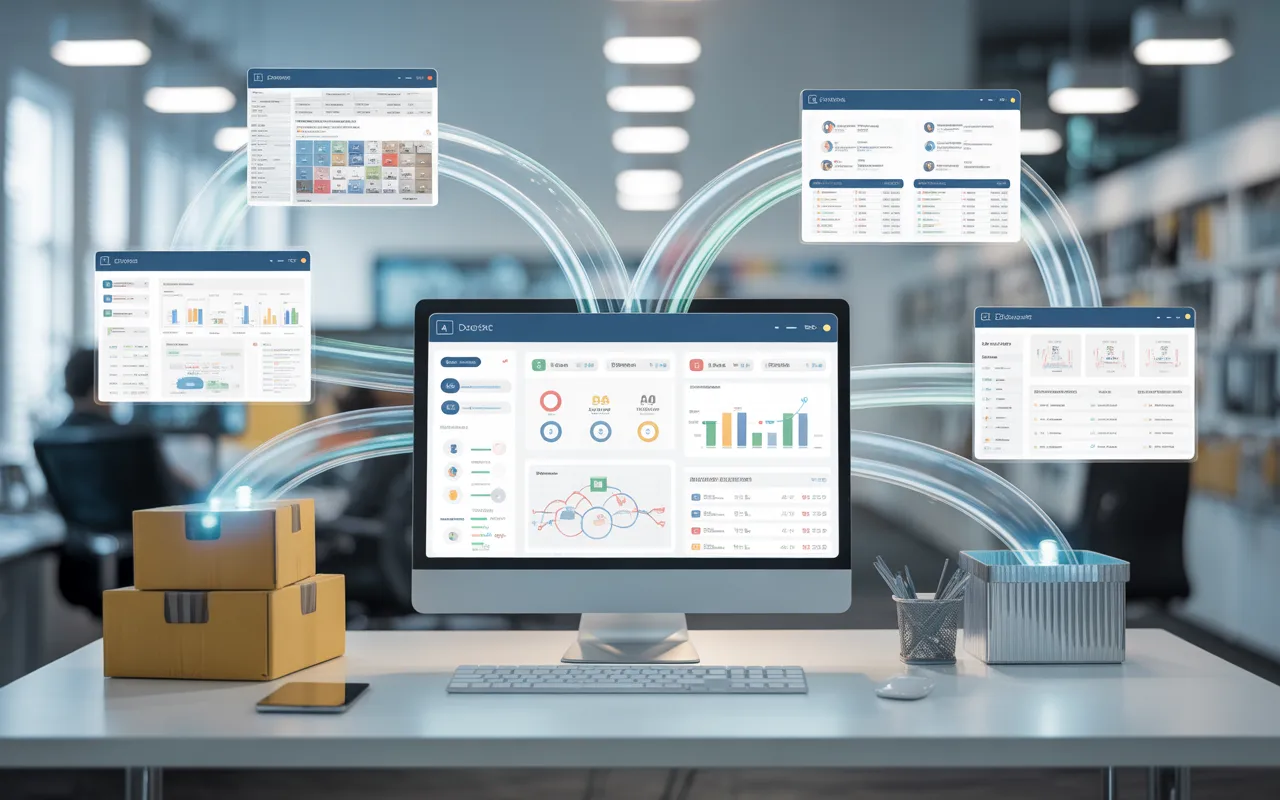
Understanding Business Central ERP Integration starts with knowing how Microsoft Dynamics 365 Business Central connects your eCommerce store with finance, inventory, and operations. ERP integration ensures that data flows automatically between systems, reducing manual work and improving accuracy across the business.
What Is Microsoft Dynamics 365 Business Central?
Microsoft Dynamics 365 Business Central is a SaaS-based cloud ERP that centralizes accounting, purchasing, sales, inventory, tax rules, and financial reporting. It can run in the cloud, hybrid, or on-premise environments and acts as the system of record for business operations.
Why ERP Integration Is Critical for eCommerce
Without ERP integration, eCommerce teams rely on manual updates or batch processing. A proper Business Central ERP for eCommerce platforms ensures real-time synchronization between systems, improving accuracy and fulfillment speed.
Core Integration Objectives
Most Microsoft Dynamics 365 Business Central eCommerce projects focus on:
- Order synchronization
- Inventory and warehouse management
- Customer data and B2B pricing
- Financial posting to the general ledger
From a technical view, integration uses REST API or OData endpoints, OAuth 2.0 authentication, middleware, and accurate data mapping.
Overview of Magento for Business Central ERP
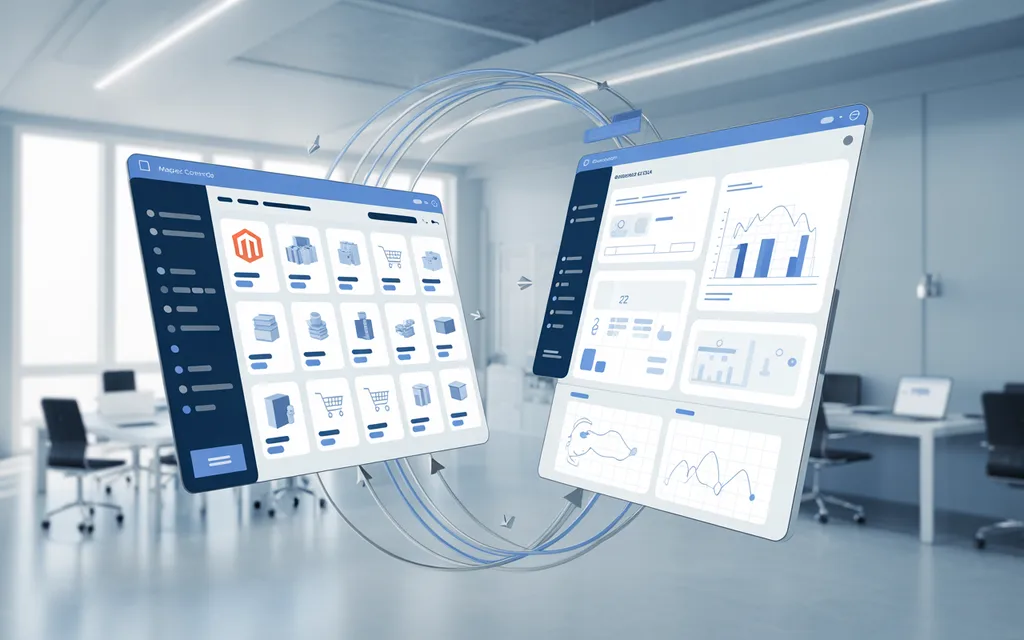
Magento is an enterprise-grade eCommerce platform designed for businesses that need scalability, flexibility, and deep system integration. When connected with Microsoft Dynamics 365 Business Central, Magento enables advanced ERP-driven workflows for inventory, pricing, orders, and finance. This makes Magento a strong choice for companies managing complex catalogs, B2B operations, and long-term growth through Business Central ERP integration.
What Is Magento (Adobe Commerce)?
Magento is an enterprise-grade eCommerce platform built for complex catalogs, multi-currency pricing, and advanced B2B workflows. It is widely used by businesses that require scalability and customization.
Why Magento Works Well with Business Central
Magento Business Central integration supports deep ERP logic, making it ideal for complex operations. Magento connects with Business Central using REST API and middleware to support real-time synchronization.
Common Magento Business Central Integration Use Cases
- Magento Business Central B2B integration with customer-specific pricing
- Multi-warehouse inventory synchronization
- Large SKU catalogs and complex fulfillment rules
Integration Approach
ERP integration with Magento typically involves:
- REST API and OData services
- Secure OAuth 2.0 authentication
- Custom data mapping and middleware
Overview of WooCommerce for Business Central ERP
What Is WooCommerce?
WooCommerce is a WordPress-based eCommerce platform built to help small and mid-sized businesses sell online with minimal technical complexity. It operates as a plugin for WordPress, making it a popular choice for companies already using WordPress for content management. WooCommerce is well suited for simple to moderately sized product catalogs and businesses that want to launch quickly without heavy development effort.
Strengths of WooCommerce
One of WooCommerce’s biggest advantages is its fast setup and low upfront cost compared to enterprise eCommerce platforms. Store owners benefit from a familiar WordPress interface, which reduces the learning curve for content and product management. WooCommerce Business Central integration is commonly used for basic ERP requirements such as syncing orders, products, customers, and inventory.
Typical Integration Scenarios
ERP integration with WooCommerce often relies on:
- Plugins and third-party connectors
- Middleware for data exchange
- Limited use of REST API
This approach works for simple workflows but exposes WooCommerce ERP limitations as business complexity grows.
Magento vs WooCommerce: Core ERP Integration Differences
- Platform Architecture: Magento is modular and scalable, while WooCommerce depends on WordPress plugins, which can restrict customization.
- Integration Flexibility: Magento supports advanced ERP logic and custom workflows. WooCommerce provides limited control over pricing, inventory logic, and tax rules.
- Data Synchronization: Magento enables real-time synchronization for orders and inventory. WooCommerce integrations often rely on batch processing, causing delays for high-volume stores.
- Upgrade & Version Compatibility: Magento ERP integrations are typically designed with long-term version stability in mind. WooCommerce integrations are more sensitive to WordPress and theme.
- Customization Ownership: With Magento, businesses own the integration logic and can extend it as ERP needs change. WooCommerce integrations often depend on plugin vendors.
Inventory & Order Management
Effective inventory and order management are critical when integrating an eCommerce platform with Business Central ERP. Magento offers strong support for real-time inventory synchronization from Business Central, ensuring stock levels are always accurate across all sales channels. It also provides built-in visibility for multi-warehouse inventory, making it easier to manage stock across multiple locations. Orders placed on Magento flow automatically into Business Central, triggering inventory updates, invoicing, and accounting entries without manual effort.
This level of automation helps reduce errors and speeds up fulfillment. WooCommerce can also sync orders and inventory with Business Central, but it often relies on third-party plugins or connectors. Managing multiple warehouses, advanced fulfillment workflows, and real-time updates usually requires additional customization.
Performance & Scalability
Magento is designed for scalable eCommerce with Business Central. It handles large SKU catalogs, high order volumes, traffic spikes, and seasonal sales efficiently in cloud ERP environments. WooCommerce performs well for small stores but can face performance bottlenecks as data volume and ERP complexity increase.
Magento for Scalable eCommerce with Business Central
- Handles high traffic smoothly
- Supports large product catalogs
- Built for complex ERP workflows
WooCommerce Scalability Considerations
- Performance depends on hosting
- Plugin conflicts can slow sites
- Struggles with very large catalogs
Cost Comparison
Magento Costs
- Higher development cost
- Advanced hosting requirements
- Ongoing maintenance and optimization
WooCommerce Costs
- Lower startup cost
- Plugin and connector fees
- Hidden costs as traffic and complexity grow
Which Platform Is Right for You?
Choose Magento if you need:
- Enterprise or B2B functionality
- Complex ERP workflows and pricing
- Multi-warehouse inventory management
- Long-term scalability
Choose WooCommerce if you need:
- A solution for small businesses
- Simple catalogs and workflows
- Lower upfront cost
- Faster deployment
If you’re asking which is better Magento vs WooCommerce for Business Central, the answer depends on complexity, scale, and growth plans.
Real-World Example
A growing online retailer integrates Business Central with Magento and gains real-time inventory, automated pricing, and scalable ERP automation. The same retailer using WooCommerce achieves faster setup but struggles as order volume, B2B pricing, and warehouse management become more complex.
Feature Comparison for Business Central ERP
Inventory & Warehouse Management
- SKU-level inventory tracking
- Multi-warehouse synchronization
- Automated stock updates
Magento handles complex inventory better, while WooCommerce works for simpler needs.
Pricing, Tax & Currency
- B2B pricing rules
- Customer-specific price lists
- Multi-currency support
- ERP-driven tax rules
Magento offers deeper pricing control, while WooCommerce relies on plugins.
Orders, Fulfillment & Finance
- Order lifecycle synchronization
- Invoicing from Business Central
- Posting to the general ledger
- Returns and refunds handling
Magento supports more complex financial workflows.
Conclusion
Magento vs WooCommerce both support Business Central ERP integration, but they serve very different business needs. Magento is built for complex, growing organizations that require deep ERP control and scalability. WooCommerce is better suited for smaller businesses with simpler requirements. When choosing between Magento vs WooCommerce for Business Central ERP, focus on long term growth, ERP complexity, and operational scale not short-term convenience. To explore the best integration approach for your business, visit our page or contact us for expert guidance.

Pingback: Common Magento Business Central Sync Errors & Fixes